

In eCommerce, the customer experience does not end when a customer clicks “buy.” Behind every purchase, a series of processes needs to work properly for the order to reach its destination, and one of the first pieces of information involved in that journey is the delivery address.
At first glance, it may seem like just another field in the checkout form. However, an incomplete, incorrect or difficult-to-interpret address can create issues long after the purchase has been confirmed. And when the problem is only identified later in the process, resolving it can mean more time, more work and higher operational costs.
That is why improving address quality from the moment the customer enters it is an opportunity to enhance both the shopping experience and the processes that follow.
The Problem Starts Before the Delivery
When customers complete a purchase, they do not always enter their address in the same way. They may make a typing mistake, leave out information or use a different format from the one the system needs to interpret the address correctly.
At that point, the checkout becomes a critical part of the process. It is where the company receives one of the key pieces of information that will later be used to process and deliver the order.
If there is an issue with the address and it is not detected at that moment, it can carry over into subsequent stages. What started as a data entry error can eventually create difficulties when locating the destination, preparing a delivery or properly managing an order.
So the question is simple: why wait for the problem to reach the operation if it can be addressed when the data is first being created?
Validating the Address at the Right Time
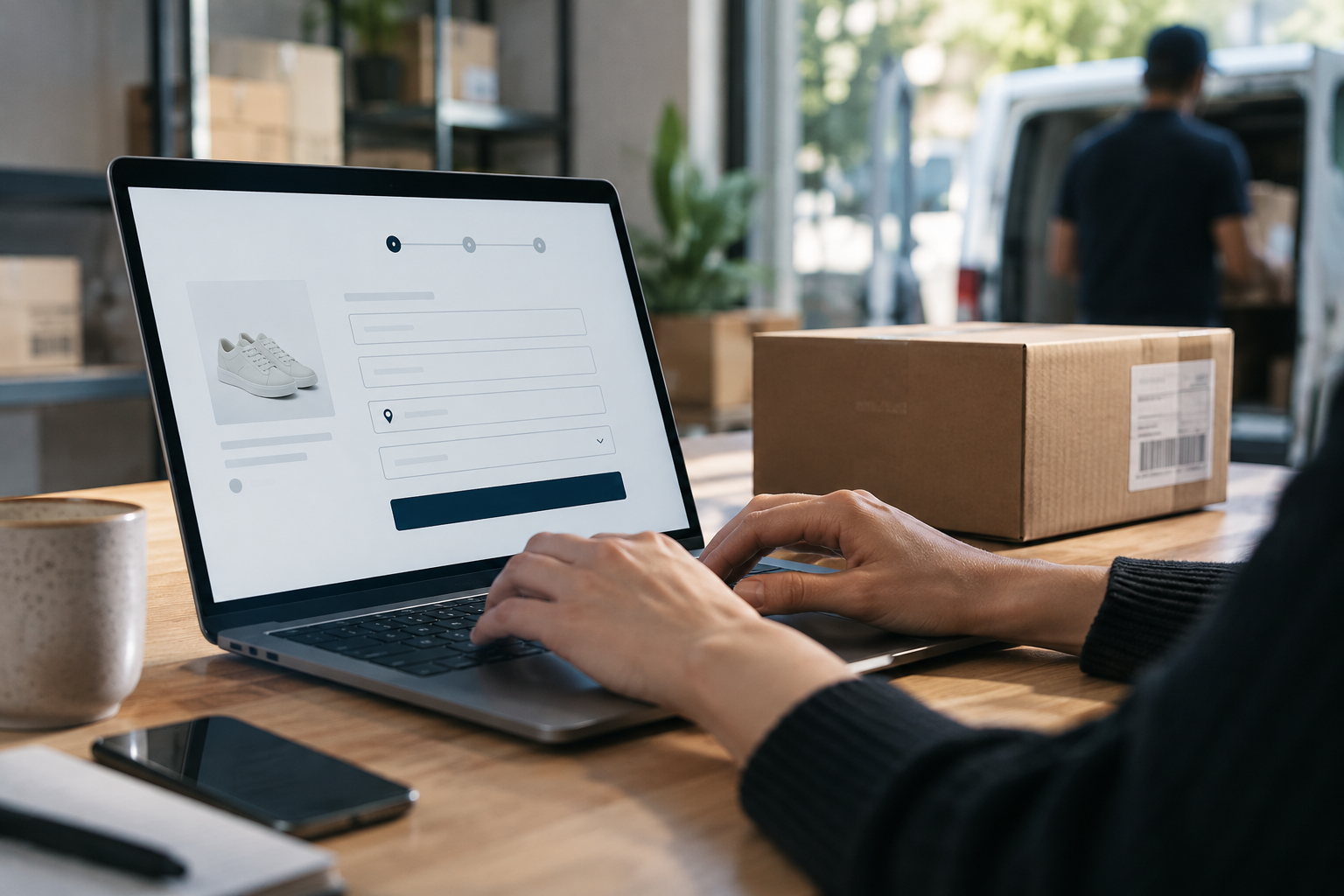
Real-time validation makes it possible to address potential issues during the purchasing process itself. Instead of receiving an address that needs to be reviewed later, the customer can be guided toward entering more accurate information before completing the order.
This means validating the information entered, correcting errors, completing missing data and standardizing addresses so they can be used consistently.
Marker's Check Out Form was designed precisely for this purpose. The solution is specifically intended for eCommerce and retail and integrates directly into the checkout form to normalize and validate addresses in real time, helping ensure data accuracy from the very beginning.
The timing of this validation matters. It is not simply about having an accurate address in a database. It is about improving data quality at the point where the data is created.
An Address Is Also Part of the Shopping Experience
Data quality and user experience are often treated as separate issues, but in the checkout they are closely connected.
Entering an address should be a straightforward process. When customers have to complete too many fields, are unsure what information to provide or receive an error they cannot easily resolve, additional friction is introduced at a particularly sensitive stage of the purchase journey.
Check Out Form is designed to simplify this process through real-time address validation, correction and completion. Among the benefits outlined for the solution are a faster, simpler user experience and reduced friction during checkout, helping support purchase completion.
This means address capture can be considered not only from an operational perspective, but also as part of the experience a company provides to its customers.
When Accurate Data Goes Further
The impact of an accurate address does not end at checkout.
The information entered during the purchase can feed into different processes further down the line. The more accurate the data is from the start, the less likely it is that an error will be carried into subsequent stages of the operation.
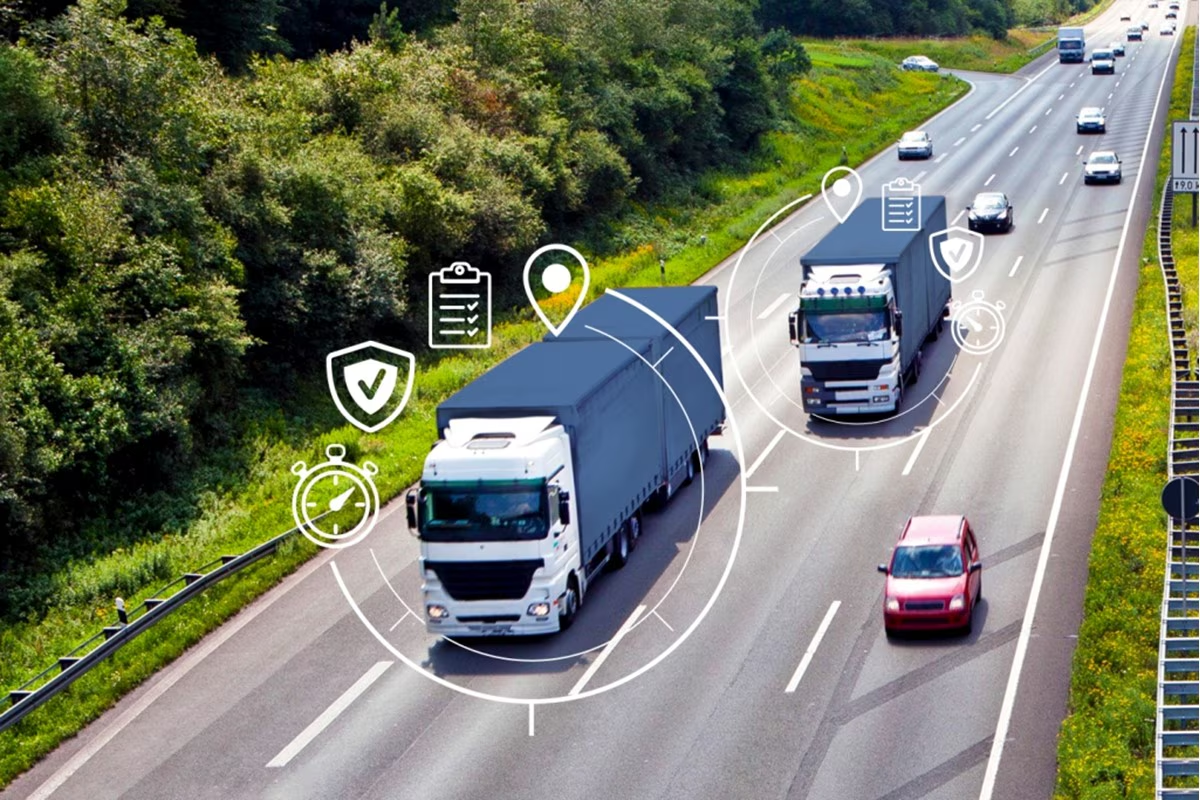
This can be particularly relevant in logistics. An incorrect address can make a delivery more difficult, require additional management or contribute to a less efficient operation. According to the Check Out Form presentation, having accurate addresses from the beginning can help reduce failed deliveries, optimize routes and lower operational costs.
The goal is not simply to correct an address. It is to prevent low-quality data from creating consequences further along the process.
From Checkout to Delivery
Looking at the purchasing process as a whole makes it possible to see a connection that can often go unnoticed: the experience that begins on the checkout screen continues long after the customer confirms the order.
The delivery address is part of that journey.
More accurate address capture can make subsequent processes easier for the company while also providing customers with a simpler experience when completing their purchase. In this way, data quality becomes a point of connection between two objectives that are often addressed separately: improving the customer experience and making operations more efficient.
For companies handling large transaction volumes, working on data quality from the outset becomes even more relevant. Check Out Form is designed to handle large transaction volumes without compromising data quality.
How Can Marker Help?
At Marker, we believe address quality should not become a problem that companies discover when an order is already on its way. That is why we developed Check Out Form, a solution specifically designed for eCommerce and retail that brings address validation directly into the checkout process.
The solution allows addresses to be validated, corrected, completed and standardized in real time, helping ensure that the information provided by the customer is more accurate from the start.
This allows companies to address one of the first pieces of information involved in the delivery process, rather than waiting for an error to reach later stages of the operation before trying to resolve it.
In addition to contributing to a simpler checkout experience, better address quality can help reduce delivery-related errors and optimize logistics processes.
Because a successful delivery can start long before there is a delivery.
The Right Address Starts at the Source
In a digital business, every piece of data that is captured can have an impact on the processes that follow. The delivery address is a clear example: what begins as a field in a checkout can eventually affect both the customer experience and the logistics operation.
That is why improving the quality of this data from the very beginning is not simply a technological issue. It is a way to better connect the shopping experience with what happens afterwards.
With Check Out Form, Marker helps eCommerce and retail companies validate and improve addresses at the source, bringing data accuracy and user experience together in a single process.
Want to learn how it can be applied to your checkout? Get in touch with us.