

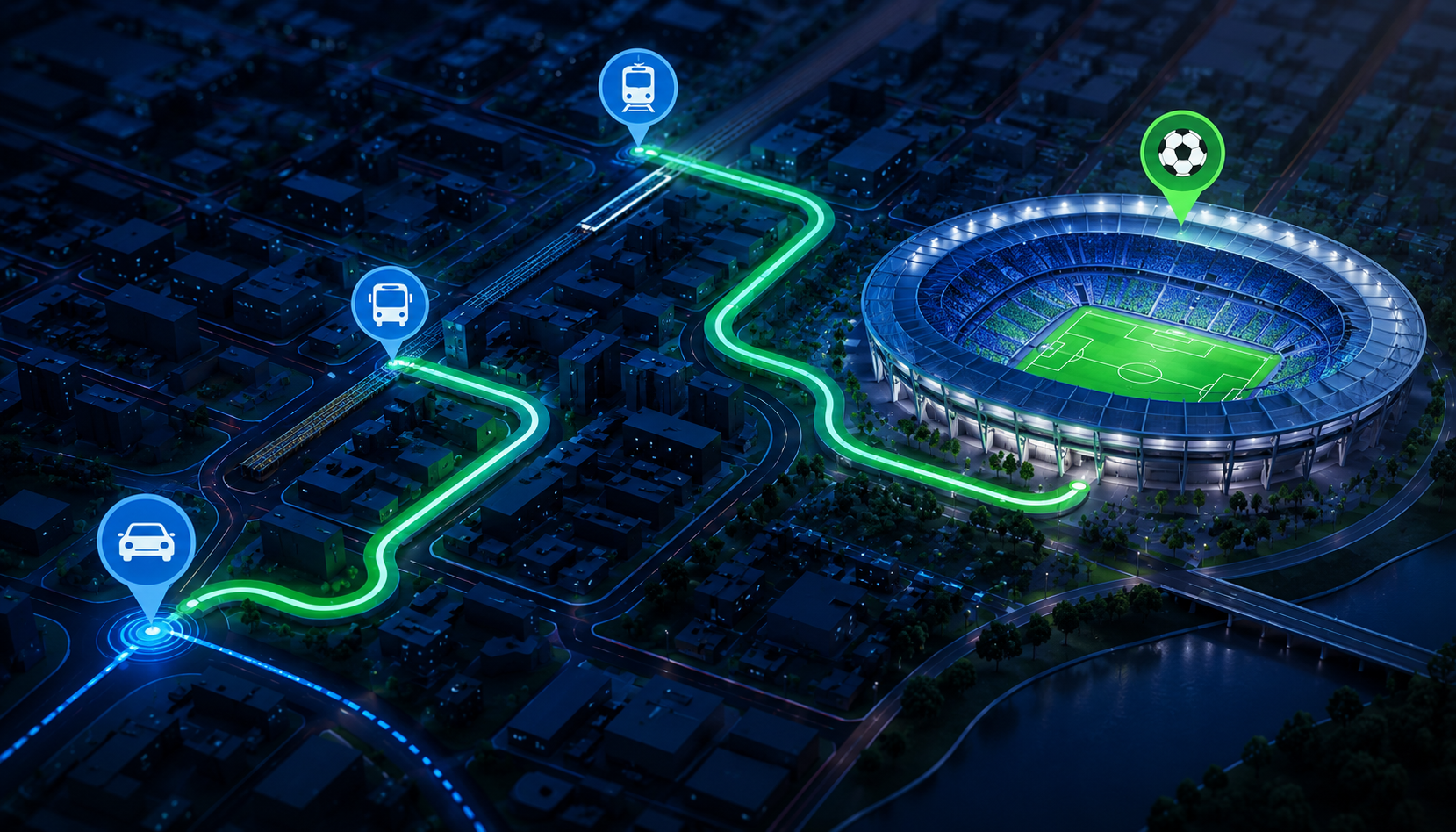
Whenever a city hosts an international sporting event, it faces a major challenge: moving hundreds of thousands—or even millions—of people efficiently, safely, and predictably.
From arrivals at airports and transportation hubs to access to stadiums, hotels, and tourist attractions, mobility becomes a critical factor in the overall attendee experience. When information is incomplete or arrives too late, the consequences are familiar: traffic congestion, delays, unexpected detours, and frustration for both visitors and organizers.
That is why location intelligence solutions are playing an increasingly important role in the planning and management of large-scale events.
The Challenge of Moving Millions of People
Major sporting tournaments create extraordinary pressure on urban infrastructure.
Cities must manage:
- Sudden increases in vehicle traffic.
- Higher demand for public transportation.
- Temporary traffic restrictions.
- Real-time operational changes.
- Navigation needs for visitors unfamiliar with the area.
In this environment, access to up-to-date information and intelligent navigation tools can make a significant difference.
HERE’s Approach to International Soccer Tournaments in North America
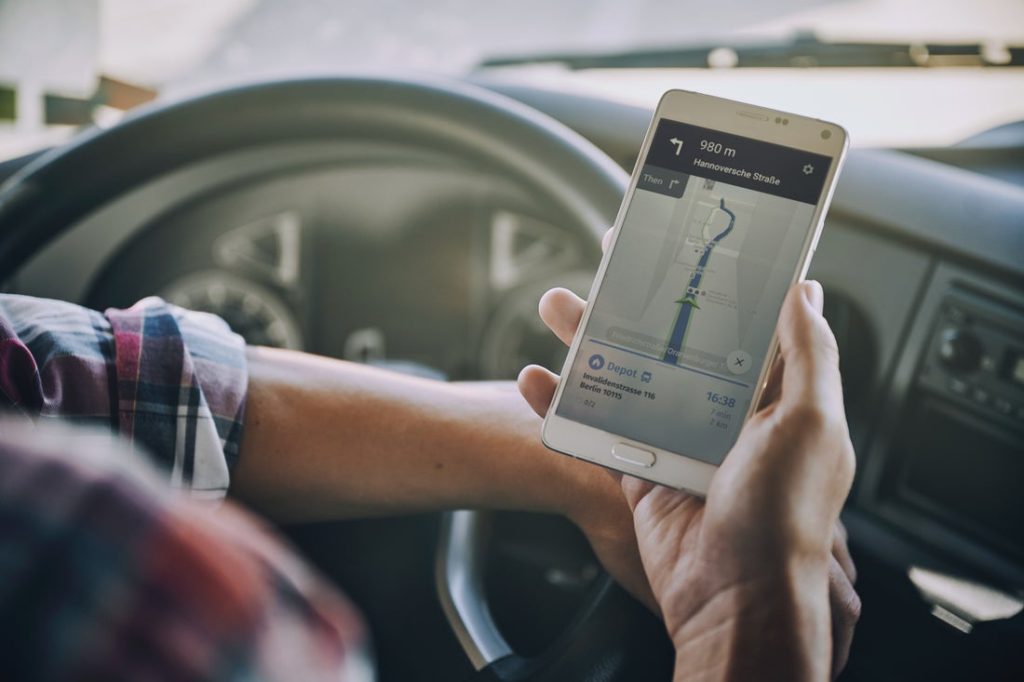
Recently, HERE announced an initiative through the HERE WeGo app designed to help fans attending major international soccer tournaments across North America.
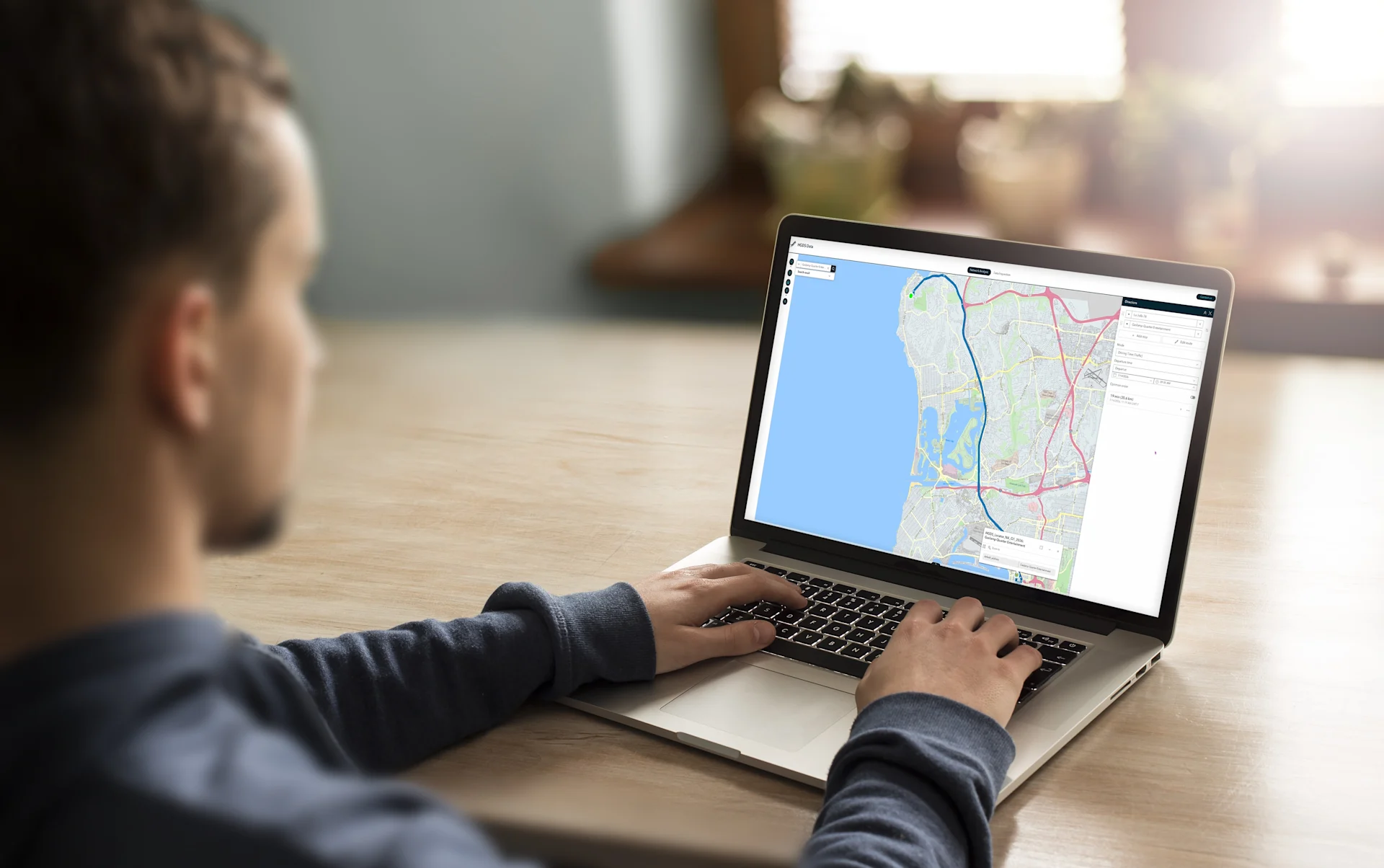
The solution combines real-time traffic information, transportation options, and intelligent navigation to make it easier for attendees to reach stadiums, fan zones, and other event-related destinations.
The goal is simple yet essential: helping people make better travel decisions before and during their journeys.
Beyond Sports: Applications Across Industries
While this use case is centered on sporting events, the same technology has valuable applications across multiple industries.
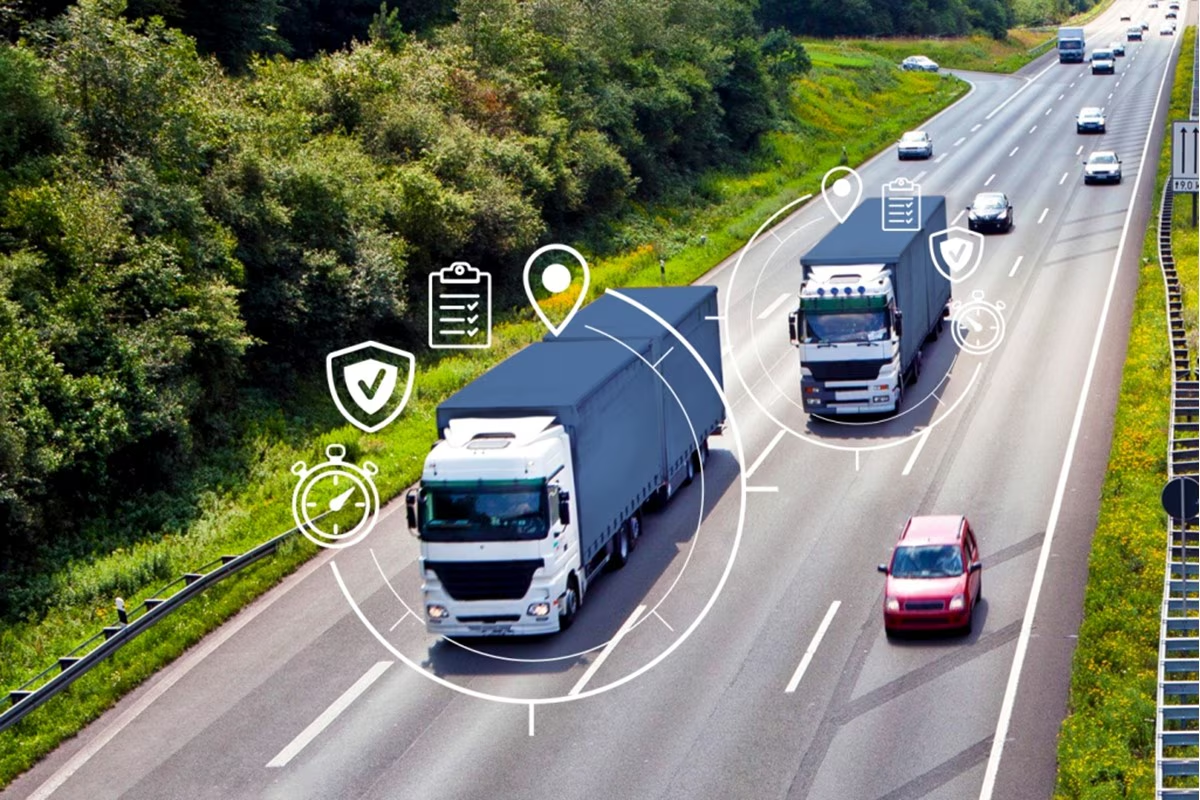
Logistics and Distribution
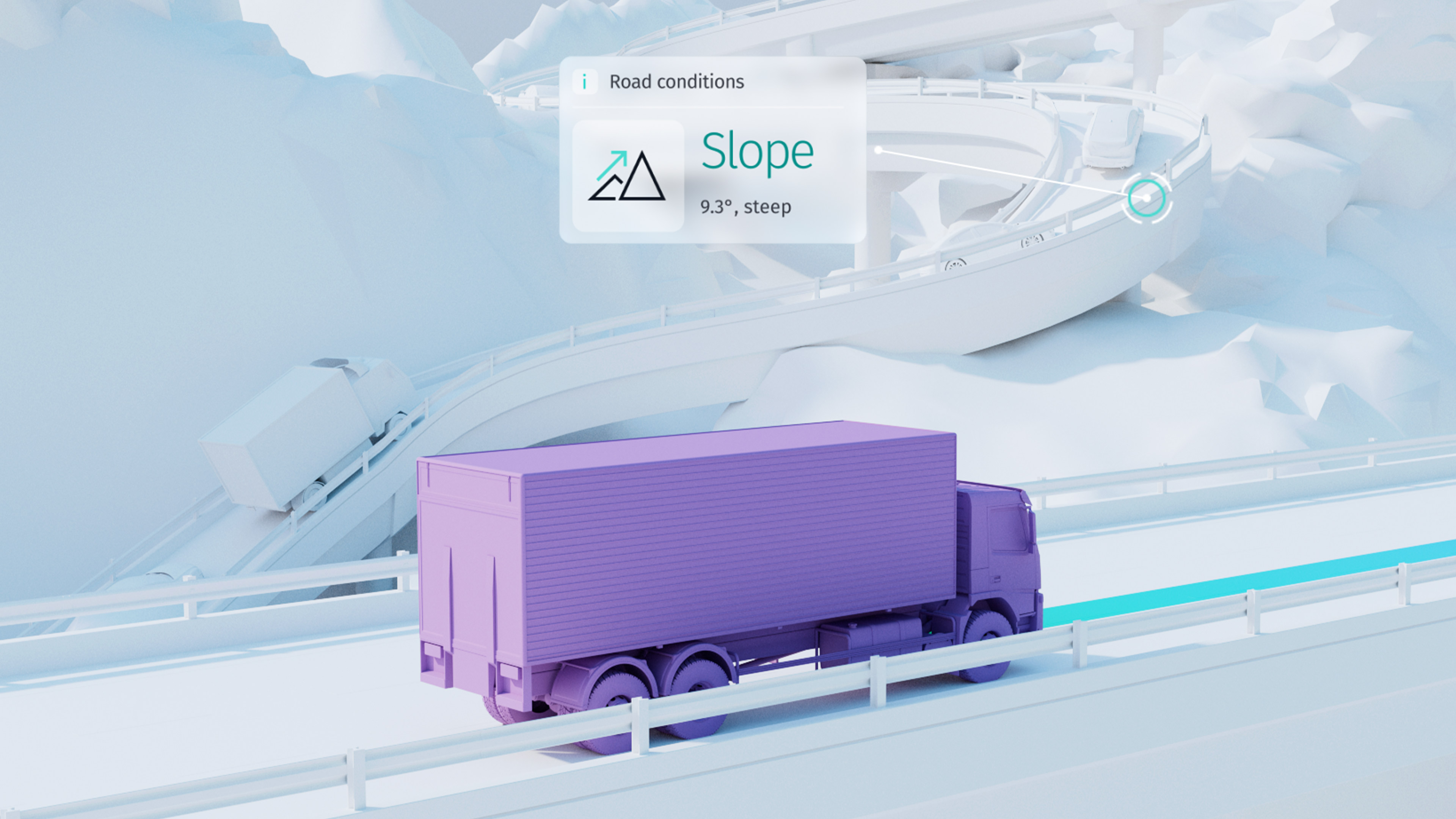
Organizations can optimize routes using up-to-date information on traffic conditions, incidents, and road restrictions.
Retail and Services
Understanding how people move enables businesses to improve commercial planning and enhance customer experiences.
Tourism
Visitors can access more accurate information about routes, estimated travel times, and transportation alternatives.
Smart Cities
Public agencies can leverage mobility data to improve urban management and plan more effective interventions.
The Value of Location Intelligence
Mobility today depends on much more than maps. The real advantage lies in the ability to transform data into actionable insights.
By combining digital maps, real-time traffic information, geospatial analytics, and location services, organizations can create more efficient experiences for both users and operations.
As cities continue to grow and large-scale events attract increasing numbers of visitors, location intelligence is becoming a strategic tool for improving mobility, optimizing operations, and delivering seamless experiences.
Conclusion
HERE’s recent announcement demonstrates how location technology can help solve real-world mobility challenges at scale.
Although this particular use case is linked to sports, its impact extends far beyond the stadium. The same information that helps a fan arrive on time for a match can help organizations optimize operations, reduce costs, enhance customer experiences, and make smarter business decisions.
As organizations seek greater efficiency and visibility across their operations, location intelligence continues to establish itself as a strategic capability for turning data into measurable results.
At Marker, we help organizations across Latin America unlock the full potential of HERE solutions to optimize routing, improve asset management, strengthen decision-making, and develop experiences powered by reliable geospatial data.
Interested in learning how location intelligence can create value for your organization? Contact us and discover how to take your operations to the next level.