

The pressure on logistics companies to reduce emissions and operate more responsibly is increasing. Tighter regulations, growing customer expectations and sustainability objectives force us to rethink how fleets are managed.
However, moving towards a more sustainable operation does not always involve a radical transformation or an immediate investment in new fleets. In many cases, the first step is to optimize the existing operation through smarter decisions, driven by location technology.
Sustainability begins in daily operation
A large part of a fleet's emissions come not only from the type of vehicle, but from operational inefficiencies: poorly planned routes, unnecessary detours, congestion, long times with the engine running and lack of visibility of what is happening on the street.
Reducing these inefficiencies has a direct impact on both the environmental footprint and operating costs. This is where location technology becomes a key enabler for more sustainable logistics.
Smart Routing: Fewer Kilometers, Fewer Emissions
One of the most effective ways to reduce the environmental impact of a fleet is optimize routes.
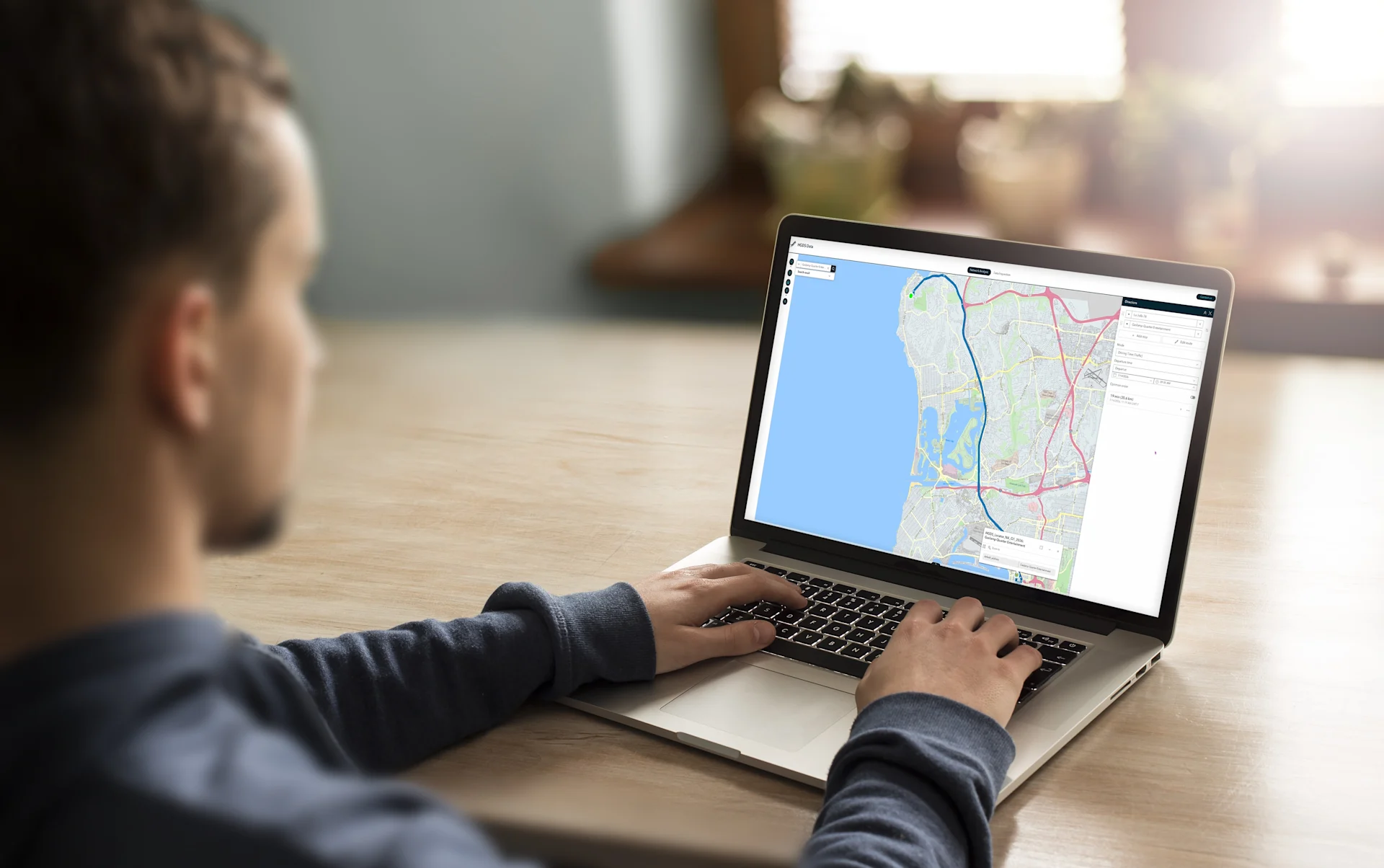
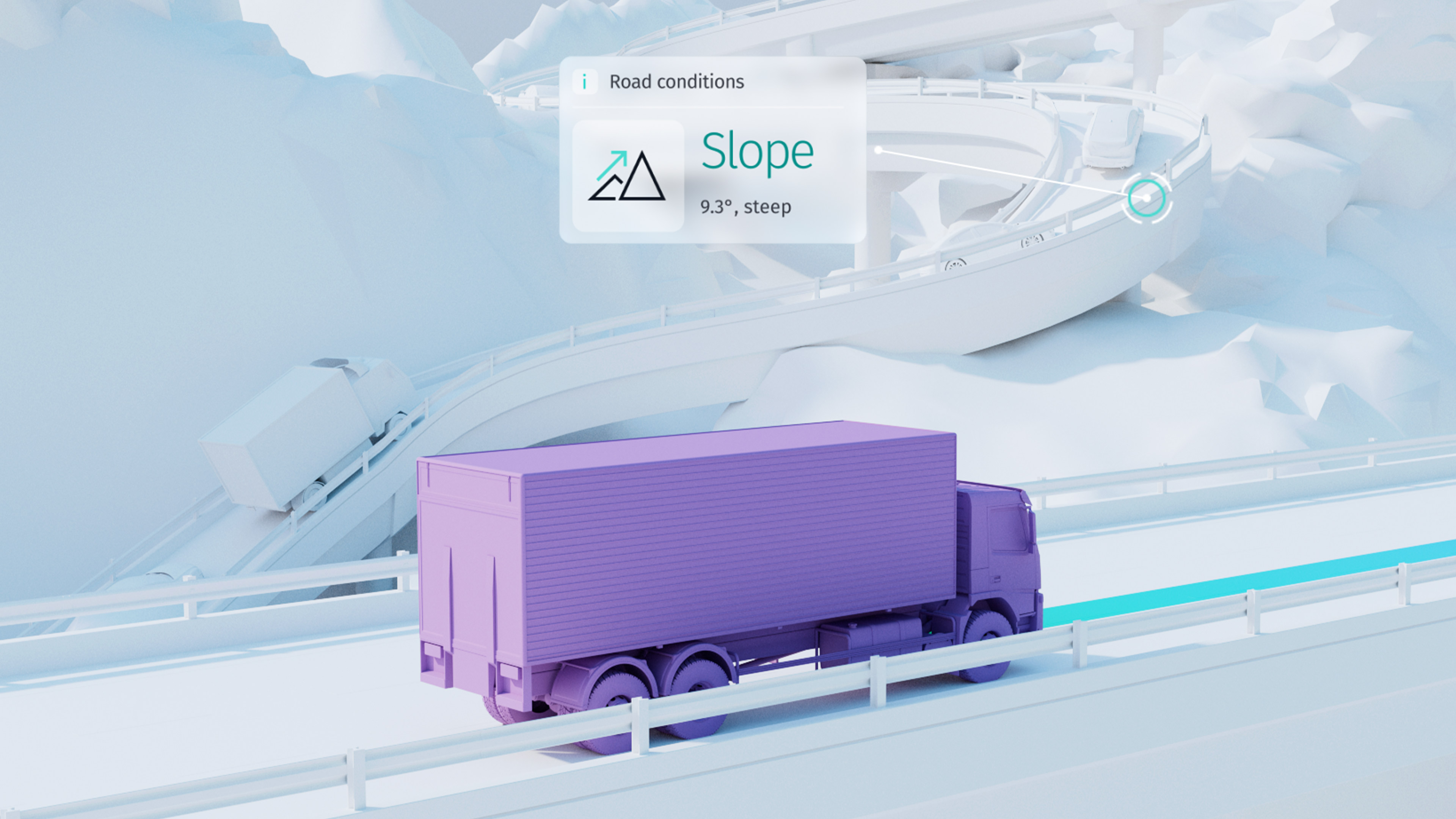
With routing solutions based on HERE technology, implemented by Marker, companies can plan more efficient routes considering multiple variables in real time, such as traffic, road restrictions and delivery windows.
Fewer kilometers traveled mean:
- Lower fuel consumption
- Lower CO₂ emissions
- Less wear and tear on vehicles
Optimizing routes not only improves sustainability, but it also increases the level of service and the timeliness of deliveries.
Real-time traffic for smarter decisions
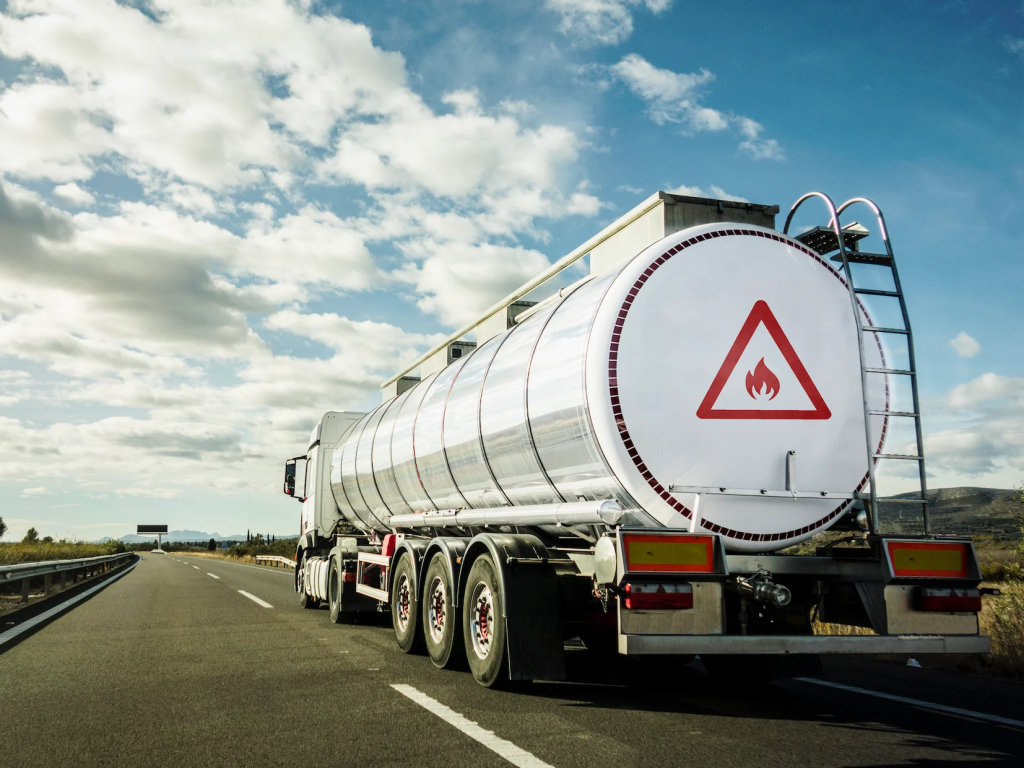
Congestion and unforeseen events on public roads are one of the main causes of inefficiency in fleets.
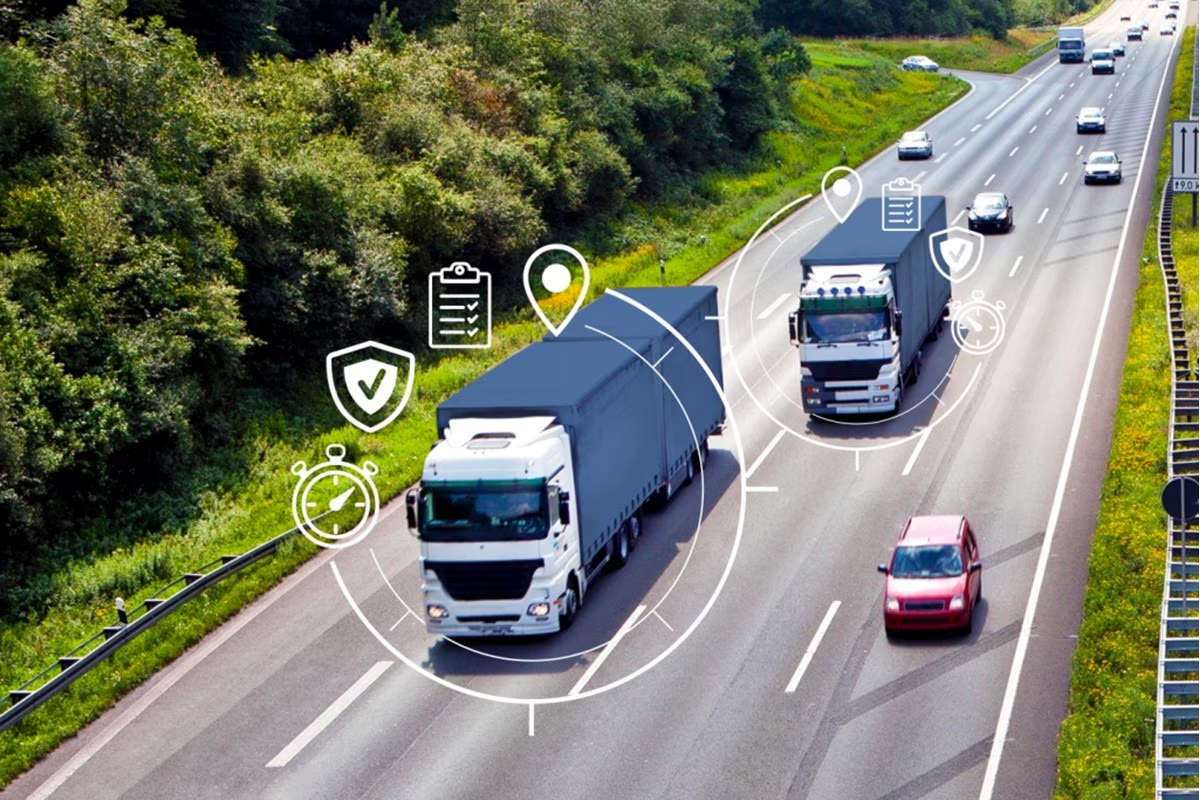
By integrating data from traffic in real time, logistics operations can:
- Avoid congested areas
- Recalculate routes in the event of incidents
- Maintain dynamic and more accurate ETAs
This reduces idling times, keeps vehicles moving and avoids unnecessary fuel consumption. The result is a more agile, predictable and sustainable operation.
Operational visibility to optimize the fleet
Sustainability also depends on see clearly what is happening in the operation.
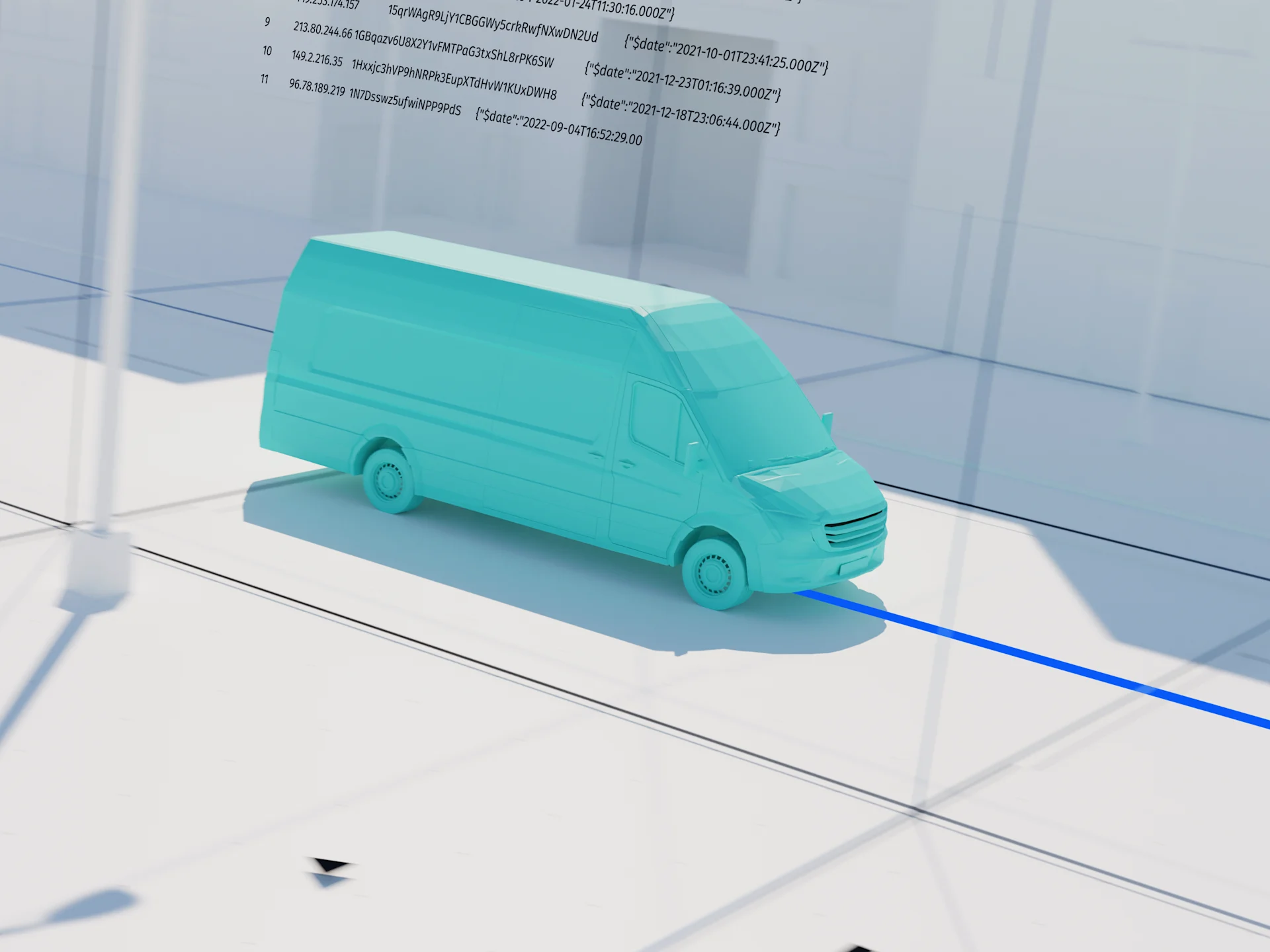
Localization solutions provide visibility into routes, travel times, detours and fleet usage patterns. This information is key to identifying opportunities for improvement and making decisions based on real data, not assumptions.
Location intelligence isn't just about knowing where things are, but about making smarter decisions that allow for more efficient and sustainable operations.
With greater visibility, companies can adjust their operations to reduce waste, improve planning and move towards sustainability objectives in a concrete way.
Prepare today for the future of mobility
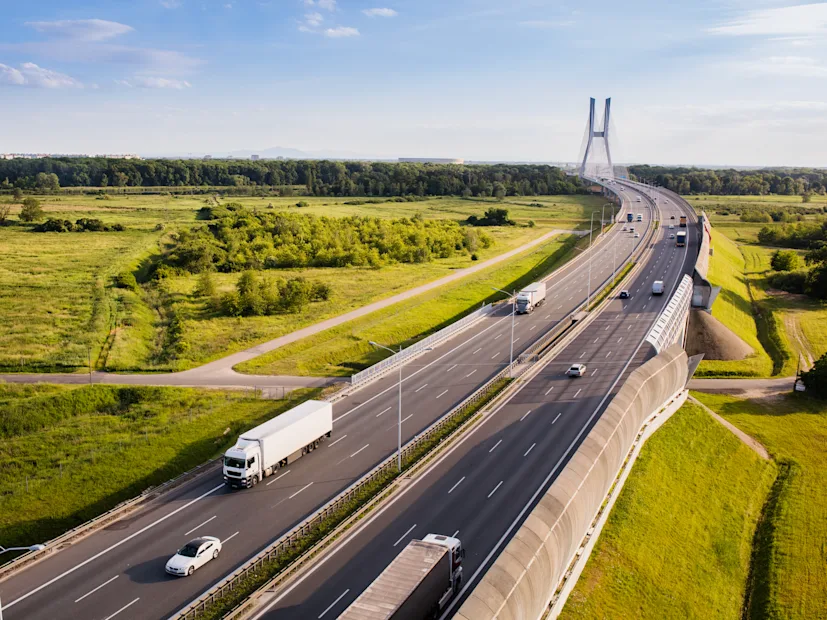
Although the electrification of fleets is an increasingly present objective, its adoption is usually gradual. The good news is that Data-based optimization is valid both for traditional fleets and for electric fleets.
Localization technology makes it possible to plan more efficient routes today and lay the foundations for incorporating electric vehicles in the future, considering autonomy, energy efficiency and urban operation.
Sustainability as an operational advantage
Reducing emissions is not only an environmental issue, but also a strategic decision. The most efficient fleets consume less, cost less and offer better service.
With location technology from HERE and the implementation of Marker, logistics companies can move towards a more sustainable operation without losing competitiveness.
Let's talk about how to optimize your fleet with intelligent routing and location data.